Why We Do What We Do. Anita's Story
Once she arrived at the Leicester Royal Infirmary that night, Anita would be there for the next 35 days.


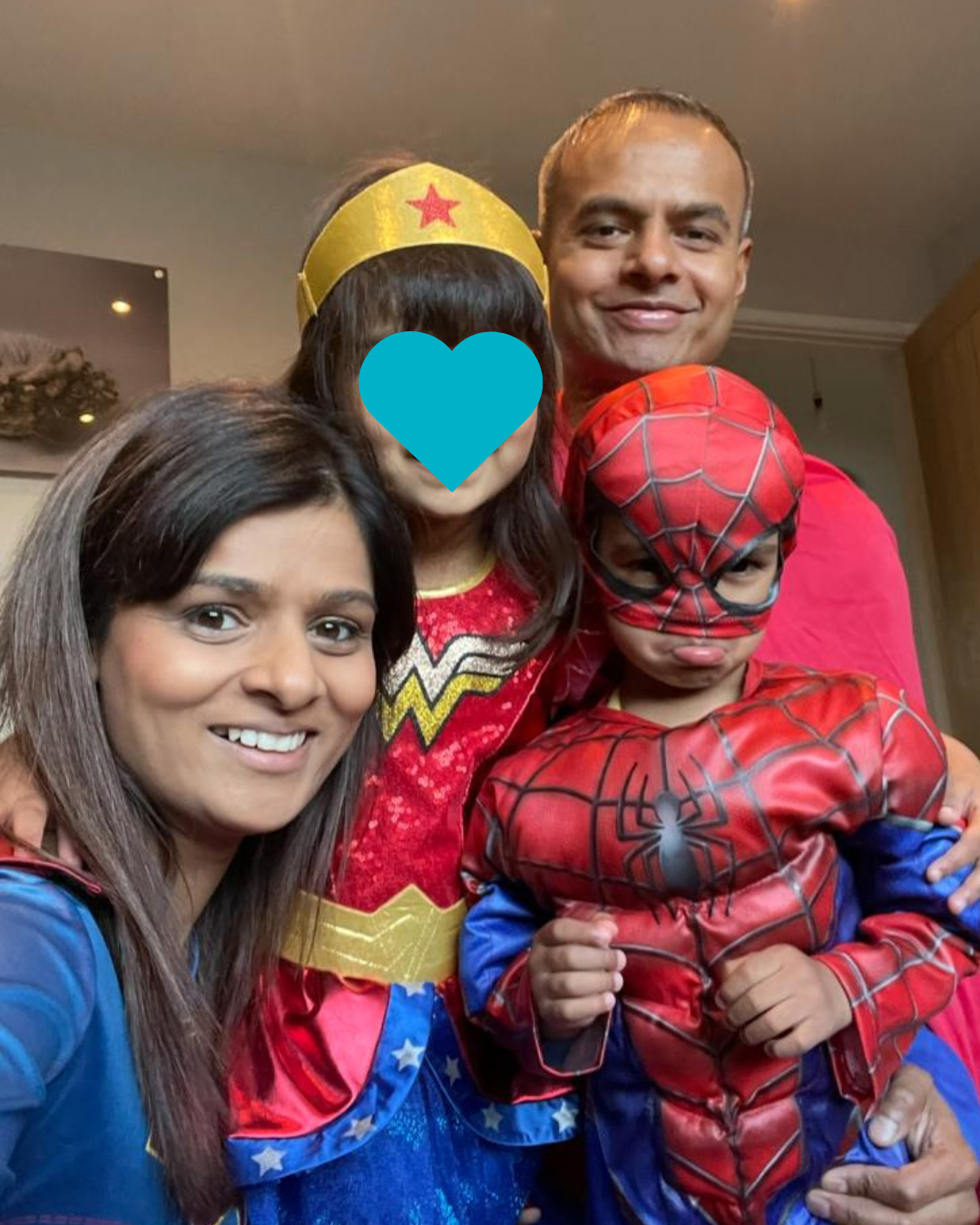
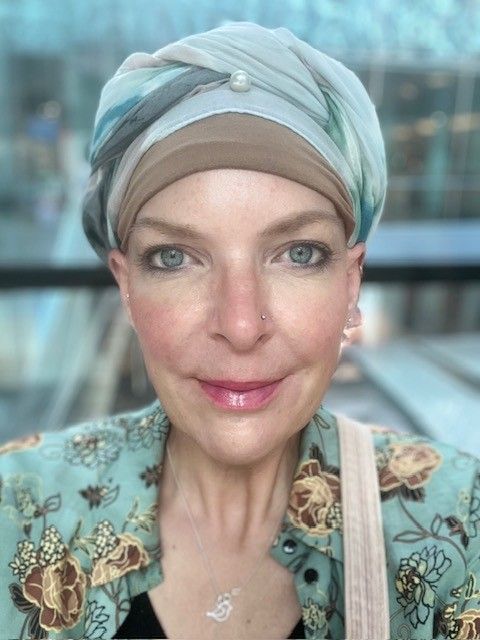
This story has been told to us by Anita. It is her very personal experience of cancer and highlights the importance of why we do what we do and why it is vital that we continue to fund and support the cancer research and clinical trials that can change lives.
Anita rang the doctor on a Tuesday and had a blood test the following Friday.
That evening, feeling a little unwell, she took some paracetamol and had a lie down.
Feeling better later on she sat with her family, had something to eat and watched TV.
At 10pm the phone rang and the voice on the other end asked her to come to the hospital immediately.
The doctor wasn’t 100% sure what the issue was but they suspected leukaemia and had enough evidence to start an immediate investigation.
*
Anita hadn’t been feeling well for a few months. She had lots of symptoms, but they weren’t joined up.
When running her bones had begun to hurt.
Her young family had returned to nursery following the end of lockdown and she was all too often full of cold.
She was exhausted.
Yet all of these things could be attributed to something. They didn’t seem to connect directly to one another.
Until she received that phone call.
*
Once she arrived at the Leicester Royal Infirmary that night, Anita would be there for the next 35 days.
A barrage of tests, including a bone marrow biopsy confirmed acute leukaemia and because the risk of infection was so great, especially during a time when COVID-19 was rampant, Anita had to stay at the hospital.
It meant that she would miss her daughter’s birthday. A big party had been planned for the Wednesday after Anita’s admission and this was cancelled.
When she explained the situation to the suppliers all of them refunded her money instantly, but this was no comfort to her daughter.
Anita’s husband became a single dad for a while and stepped into a role he hadn’t known before.
Her daughter had slept with Anita for her whole life and now she suddenly wasn’t there, but it has helped her to transition to sleeping alone.
Anita also has a wonderful extended family who joined in to help the young family get through.
*
Treatment consisted of chemotherapy and a stem cell transplant.
The chemotherapy was delivered in three doses; one standard dose, one strong dose and one trial dose.
Staff from the Hope Cancer Trials Centre had visited earlier and offered Anita a place on a new trial that was testing a new form of chemotherapy, it was just one dose and was designed to be ‘lighter’.
Nevertheless, Anita felt awful afterwards.
Yet, she went into remission almost immediately and her brother was a 100% match for a stem cell transplant.
Anita described this time as truly intense. 35 days was a huge amount of time for her family but the roller coaster of bad news – good news, with new tests and treatments happening every day, meant that she didn’t have time to process any of it.
Anita was kind enough to contribute to our Gift of Hope campaign in 2025.
In the message she wrote, “Hope is the quiet strength that carries us forward when everything else urges us to give up. Hope is the courage to dream beyond our fears and to believe that brighter days are not only possible – but on their way.”
Hope Against Cancer is extremely grateful to Anita for speaking to us about her experience with cancer. Such stories really bring home the importance of having the very best local cancer research and care available right on our doorstep.
If you are able to help us support more people like Anita, please donate today
John Nellis
Content and Communications Officer, Hope Against Cancer
john@hopeagainstcancer.org.uk