Why We Do What We Do - Part VIII
Teachers often find themselves becoming ill during the natural course of their day to day, but sepsis and recurring bouts of pneumonia were well beyond the norm.
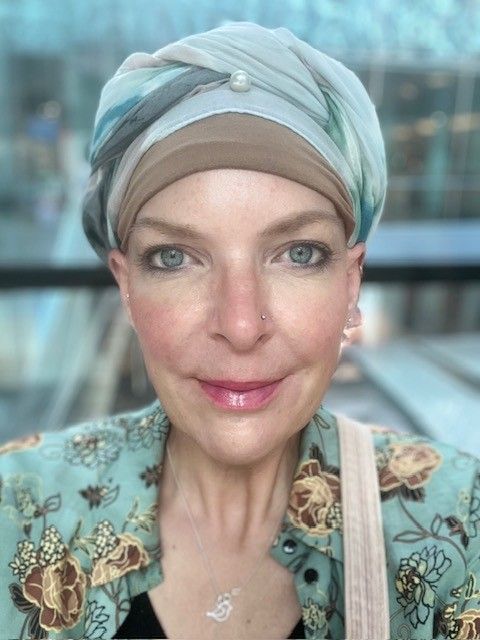

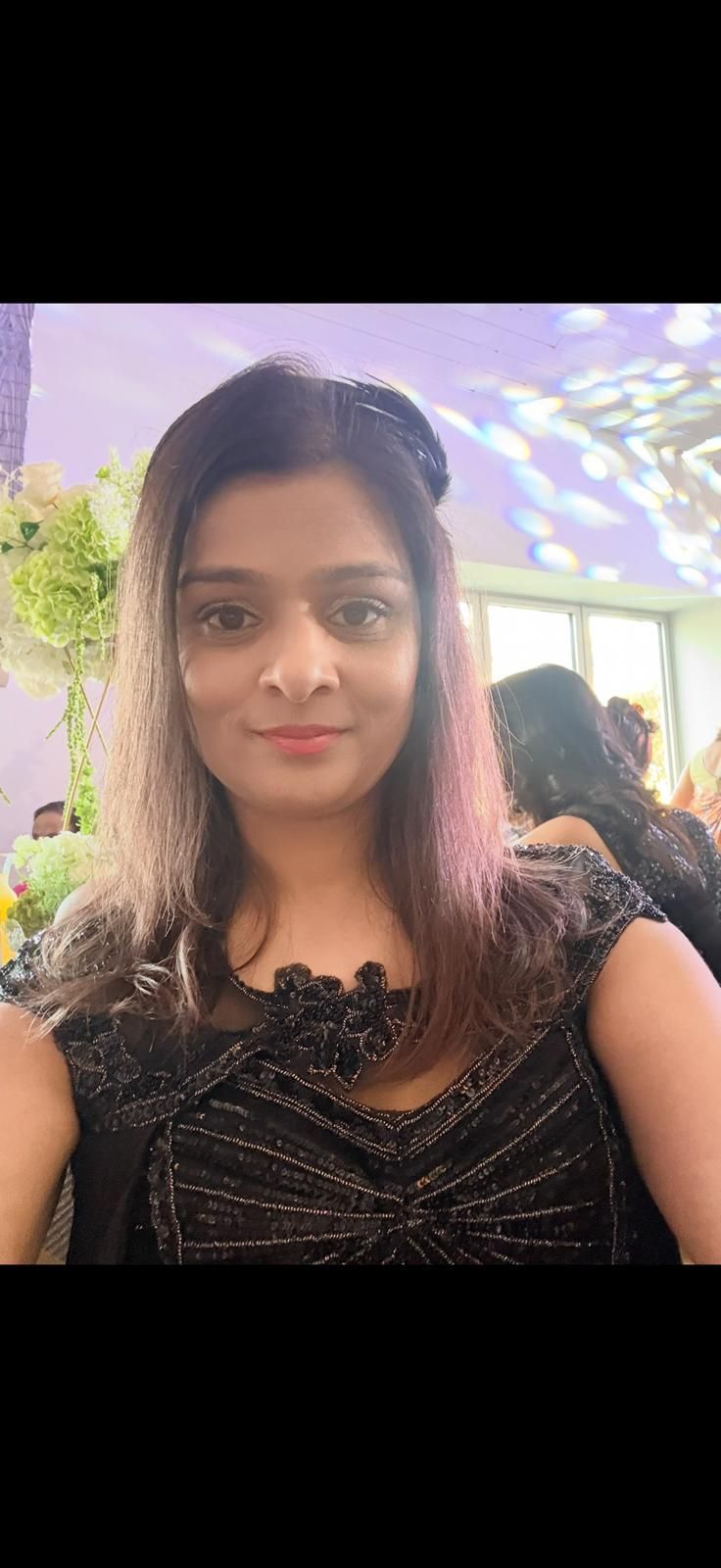
This story has been told to us by Lucy. It is her very personal experience of cancer and highlights the importance of why we do what we do and why it is vital that we continue to fund and support the cancer research and clinical trials that can change lives.
Lucy is a secondary school teacher. Teachers often find themselves becoming ill during the natural course of their day to day, but sepsis and recurring bouts of pneumonia were well beyond the norm.
Blood tests were taken at her GP in February 2023.
The modern NHS app allows people to see the results of blood tests and Lucy saw ahead of time that her protein count was high. Her brother is a GP, and she knew that this meant that she had cancer.
She was quickly referred to Dr Garg at the Leicester Royal Infirmary who saw her at 8.15am before clinic even began.
Lucy did not fit the ‘normal’ criteria for a diagnosis of High-Risk Multiple Myeloma and genetic markers had shown she was at high risk of relapse following any treatment. She was otherwise healthy and Dr Garg recommended a trial at the Hope Cancer Trials Centre.
A stem cell transplant was required and, to prepare for this, treatment started with ‘conditioning chemotherapy’ which is a high-dose therapy given weekly, steroids and Isatuximab, which is a focussed antibody treatment that targets the errant plasma in the blood.
These treatments brought the paraproteins down and the stem cell transplant went ahead in August 2023.
Lucy’s trial is about controlling the potential relapse and every two weeks she has maintenance chemotherapy and continues to take Isatuximab.
She is in deep remission but still, naturally, worries about the cancer returning.
Lucy told us that the staff at the Hope Cancer Trials Centre are incredible. They are like her family and when she worries, they are able to calm her down with their expert knowledge, good humour and kindness.
On one occasion following treatment Lucy found herself unable to stop crying. Instead of being sent on her way, staff took her into a side room and simply talked to her for two hours. On another, they made a cake for her mum’s 84th birthday.
Lucy has two daughters. The younger of the two would like to be a nurse. One year, on the 27th December, only Lucy was scheduled for treatment. It was also Lucy’s daughter’s birthday and the nurse invited her to come along and taught her how to find a vein to take blood and how to canulate.
Such experiences truly highlight the holistic care that the Hope Cancer Trials Centre staff are able to provide.
Lucy said that friends who are being treated for cancer across the country sometimes complain that they dislike treatment because it reminds them that they have cancer, but the Hope Centre is not like that at all. She looks forward to the trips and while she remains very aware that she has cancer, she is welcomed in, her concerns are listened to, validated and reassured.
She ended by saying how lucky our area is to have the Centre available to local people with cancer.
On Saturday 10th January 2026, 7:00pm until 1:00am at 2Funky Music Café, Lucy will be holding her own fundraiser for Hope Against Cancer and in support of the incredible cancer research and care we have here in Leicestershire and Rutland.
It is a night of ‘Hope & Soul’ and will feature legends of soul, singers and a DJ.
More information and tickets are available at www.fatsoma.com/e/dcmz1vog/hope-and-soul
Hope Against Cancer is extremely grateful to Lucy for speaking to us about her experience with cancer. Such stories really bring home the importance of having the very best local cancer research and care available right on our doorstep.
John Nellis
Content and Communications Officer, Hope Against Cancer