Why We Do What We Do - Part X
As they drove home she looked out of the car window, spring had spung while she'd been in hospital. The hedges had started budding, there were bright daffodils along the roadside and the sky was blue. Penny felt incredibly lucky to be alive.
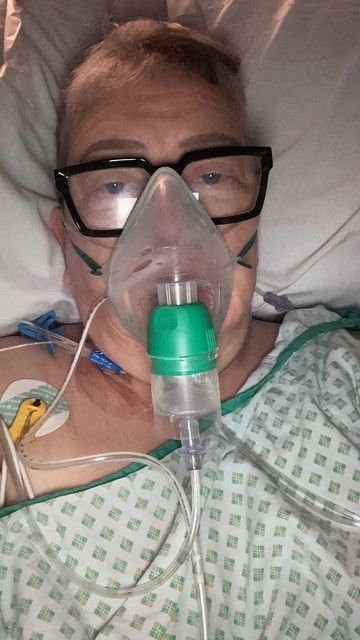
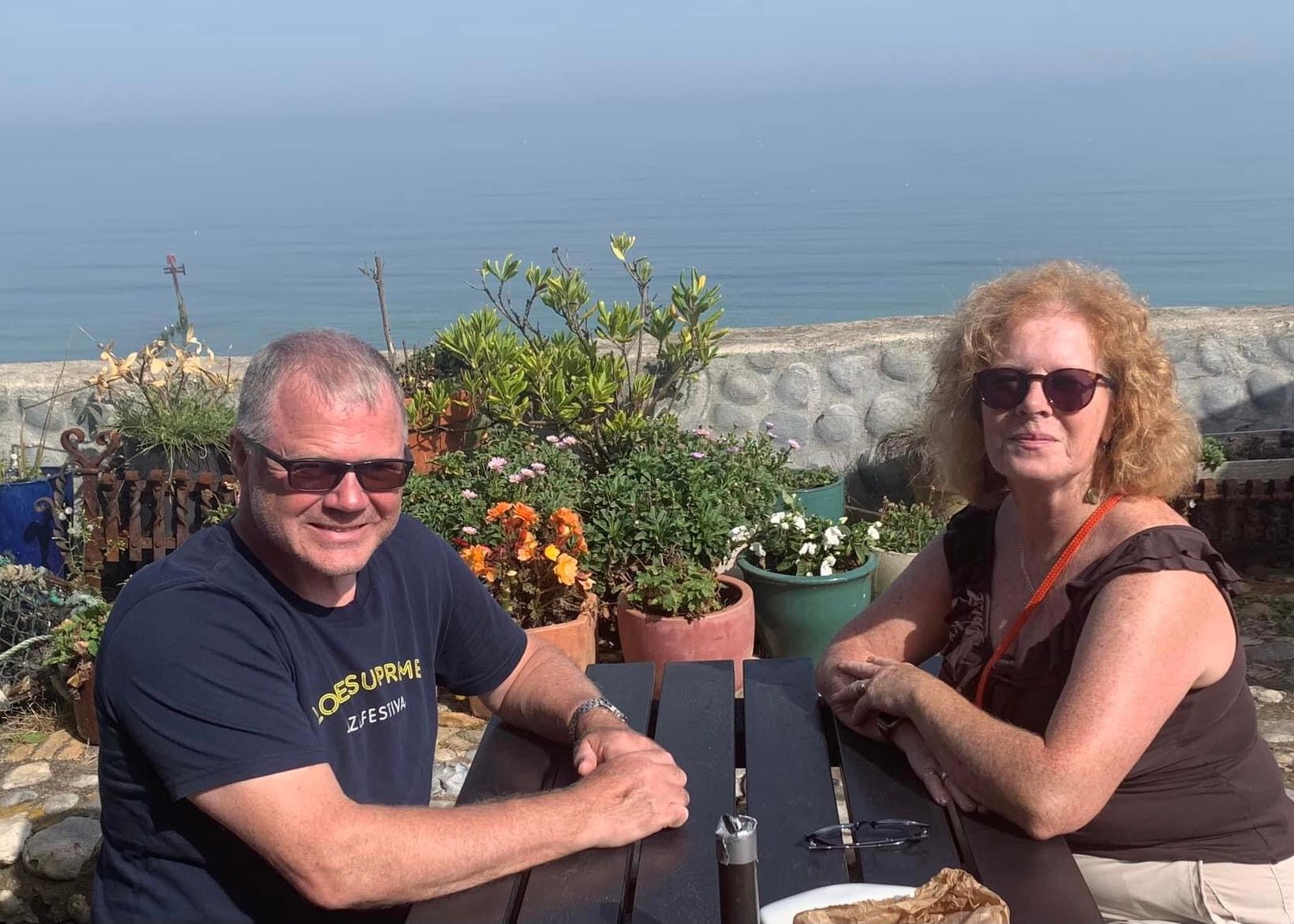
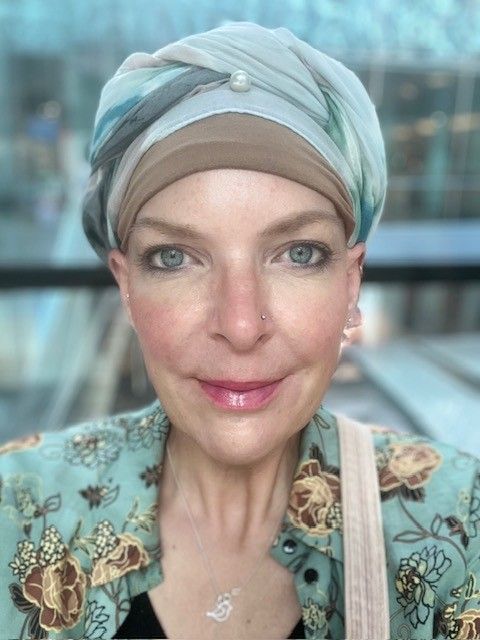
This story has been told to us by Penny. It is her very personal experience of cancer and highlights the importance of why we do what we do and why it is vital that we continue to fund and support the cancer research and clinical trials that can change lives.
Penny received the standard NHS bowel screening kit through the post, and she placed it on her dressing table to do ‘at some point soon’. Three weeks pasted before she got around to it.
The August 2024 Bank Holiday was spent gardening. The next day she developed pain in her lower left abdomen. She thought she'd just pulled something and dismissed it; however, a week later it was still there so she contacted her doctor who sent her for a scan.
As she left the house on the day of the scan, she pulled a letter from her letterbox which she opened in the car. It said she had been recalled from the screening program and an appointment was booked for her at Glenfield Hospital on the coming Friday - it was quick.
She was seen by a nurse at Glenfield who booked her in for a colonoscopy, this was scheduled for the next week. The nurse reassured her and she wasn't worried.
Dreading the procedure she entered the room with several nurses and a doctor joking about the bottle green paper shorts – “whoever chose bottle green”?!
As the procedure began Penny was watching the screen where the camera image was fed and she saw the tumour almost immediately, the camera couldn’t even see past it. Penny called her husband at work to ask him to come to the hospital where they sat with a cancer nurse and the doctor who confirmed it was bowel cancer.
What followed was a whirlwind of appointments and consultations where Penny discovered that it had spread significantly and was Stage 4. The appointments were a blur so she always attended with her husband, sister or best friend. Her brain simply ran wild and would not allow her to take in any of the information shared during these appointments.
Three months of chemotherapy began, but this was swiftly interrupted by a blockage which required an emergency ileostomy. Penny spent five days in the Leicester Royal Infirmary recovering from surgery and learning to deal with a new way of life. This procedure saved her life.
After recovery from the ileostomy, chemotherapy restarted. The side effects were not nice but they were manageable. It worked and reduced the cancer to a level where surgery could be carried out.
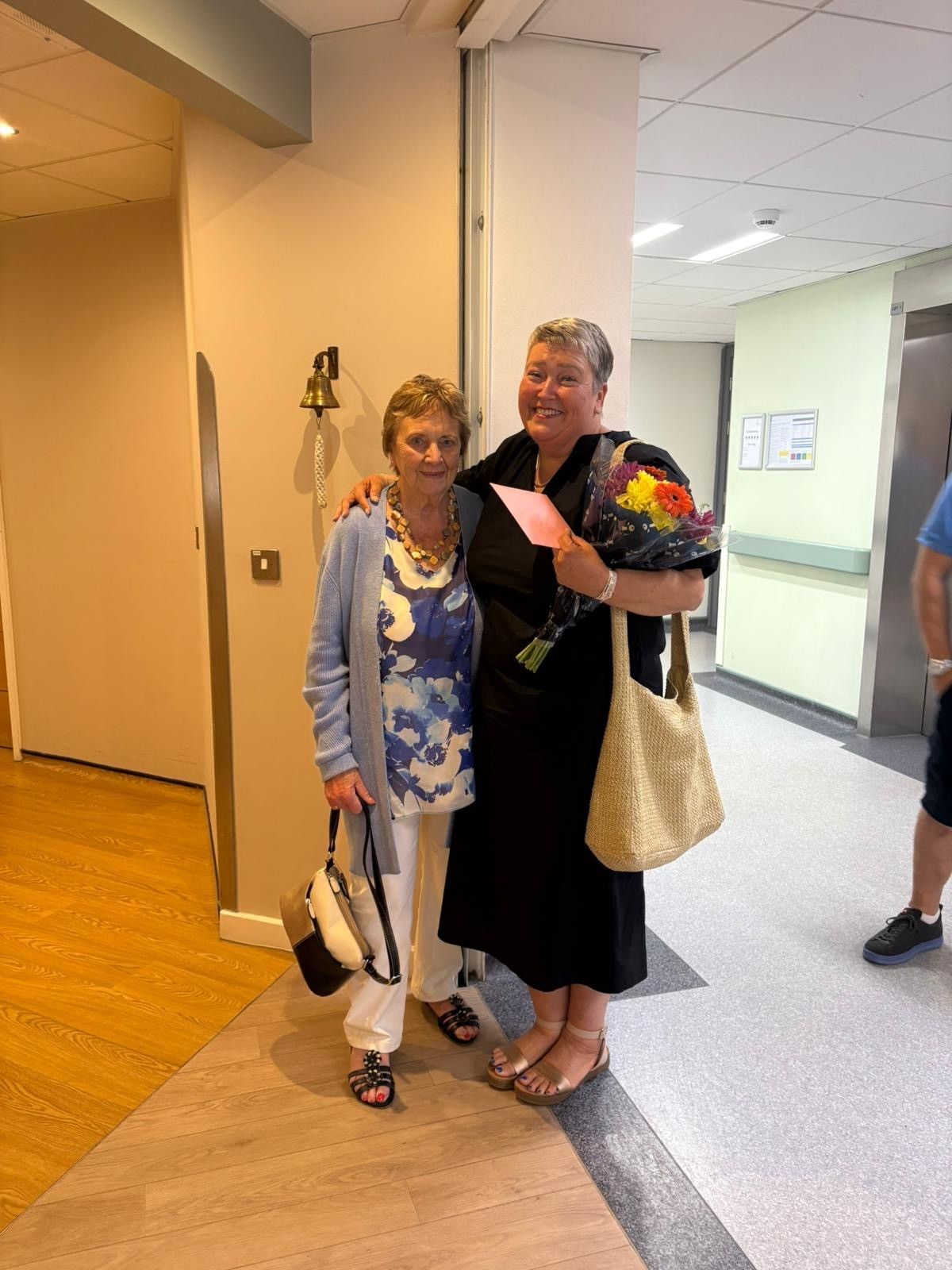
Penny had significant abdominal surgery and it was two weeks before she was able to go home. Her husband collected her.
She was wheeled out of the hospital and gently placed in the car with cushions to pack her in. As they drove home she looked out of the car window, spring had spung while she'd been in hospital. The hedges had started budding, there were bright daffodils along the roadside and the sky was blue. Penny felt incredibly lucky to be alive.
No one prepared Penny for the mental side of cancer. She talked about the guilt. Putting her loved ones through the torture of watching her fight cancer and the worry and upset this caused. She was unable to work and household chores were impossible for a while. Her mental health was supported by a local cancer support charity where she was taught coping mechanisms and had her feelings and emotions validated.
She also spoke about the love and support she received from her family and friends and, her "other family", The Stoneygate Eye Hospital, where Penny formally worked on the management team. The staff provided items to go in hampers and the hospital donated vouchers which were also added to the hampers. The money made from the raffle was donated to charity.
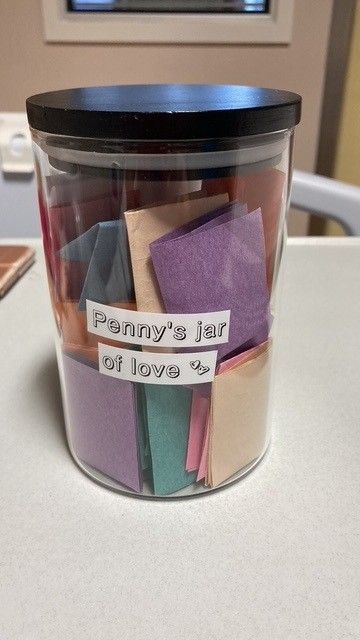
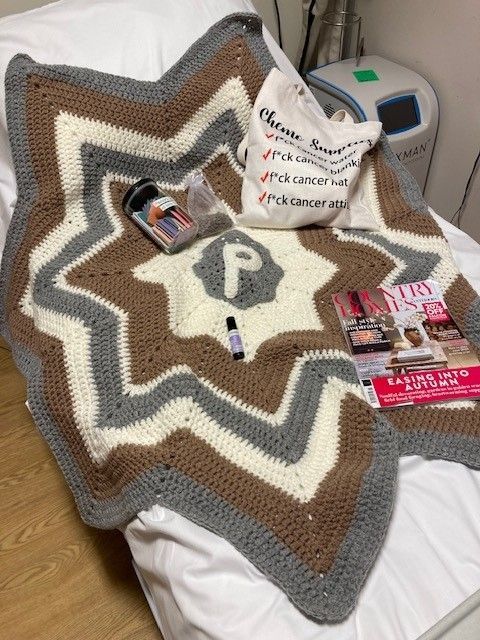
She had a beautiful star blanket crocheted for her which had a pocket in the centre of it. Inside that pocket the Stoneygate Eye Hospital put ‘Penny’s jar of love’, which staff had filled with messages, prayers, stories and photographs. Penny read the whole thing one afternoon during her chemo and cried and laughed in equal measure.
Now in remission Penny reflected on how much she had learned in the past year, the amazing people that she met, and how the experience had allowed her to find her priorities in life. Take every opportunity and live life to the full.
She feels very lucky and would like to emphasise to readers just how important it is to take any tests offered by our incredible NHS - without which, she may not be here today. These tests can and do save lives.
Hope Against Cancer is extremely grateful to Penny for speaking to us about her experience with cancer. Such stories really bring home the importance of having the very best local cancer research and care available right on our doorstep.
John Nellis
Content and Communications Officer, Hope Against Cancer